
 By Global Arena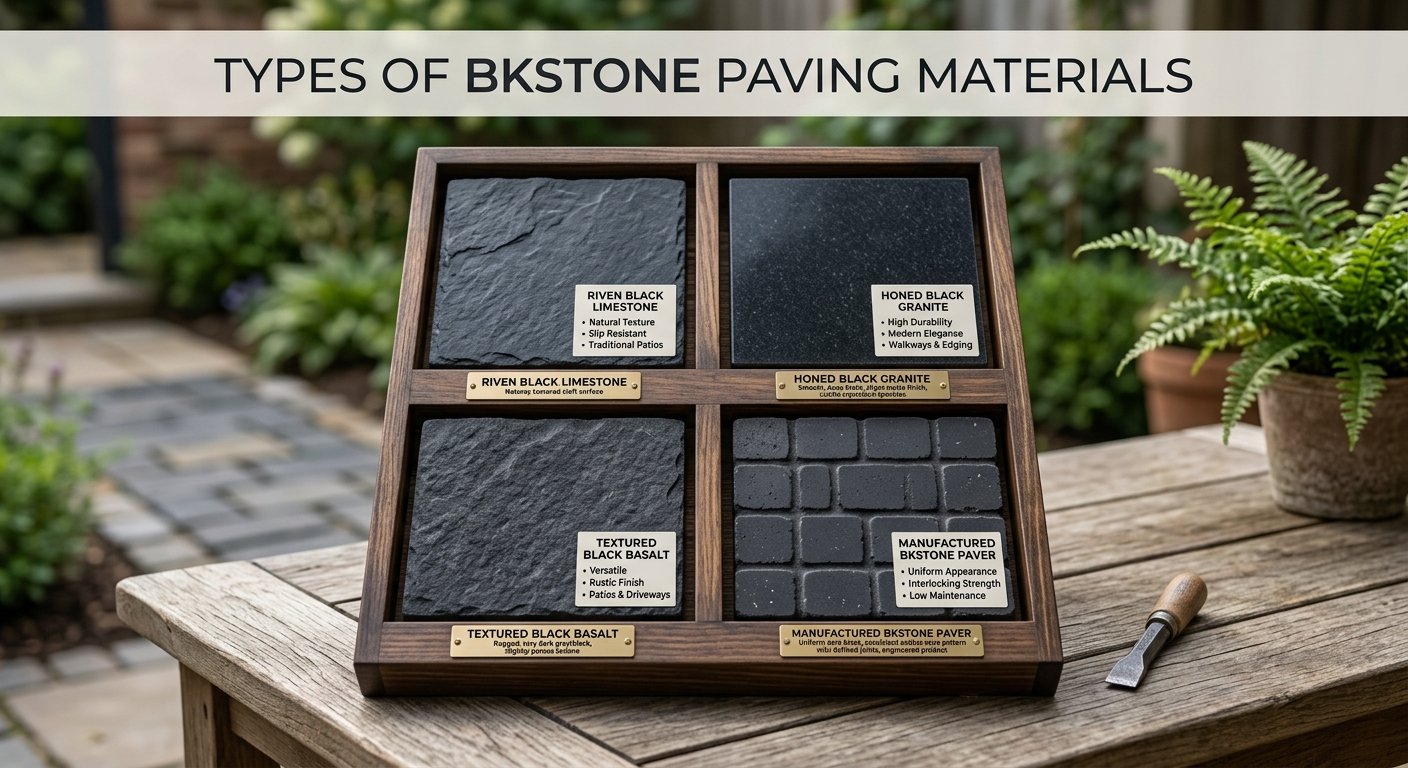
I spent three weekends this spring crawling around a stone yard with a contractor friend, comparing slabs for a kitchen remodel, and I learned the hard way that “natural stone” is not one product — it’s a category with wildly different price tags, maintenance schedules, and failure points. If you’ve landed on Bkstone while researching suppliers, you’re probably asking the same question I was: is this the right stone, from the right source, for the project I actually have?
Bkstone is a stone solutions platform that sells natural and engineered stone — marble, granite, tile, and custom cuts — for homes and commercial spaces. That’s the short answer. The longer answer, the one that actually matters before you sign a purchase order, involves knowing which stone category fits your project, what questions to ask any supplier (Bkstone included), and where people tend to get burned.
What Is Bkstone, Exactly?
Bkstone positions itself as a stone solutions platform selling natural and engineered stone products, including marble, granite, and stone tiles, aimed at homeowners, builders, and designers. The pitch is familiar: durability, style, and long-term value in one place.
Here’s the thing, though. A website can say “premium” and “trusted” as many times as it wants. Those words don’t tell you where the stone quarries from, who fabricates it, or what happens if a slab arrives cracked. When I researched Bkstone specifically, I found plenty of marketing copy describing its product categories but very little verifiable detail about the company behind it, no listed physical location I could confirm, no clear ownership information, and no third-party reviews with any real volume. That doesn’t mean it’s a scam. It means you’re the one who has to do the legwork a well-established local fabricator would normally do for you through reputation alone.
What Bkstone Actually Sells
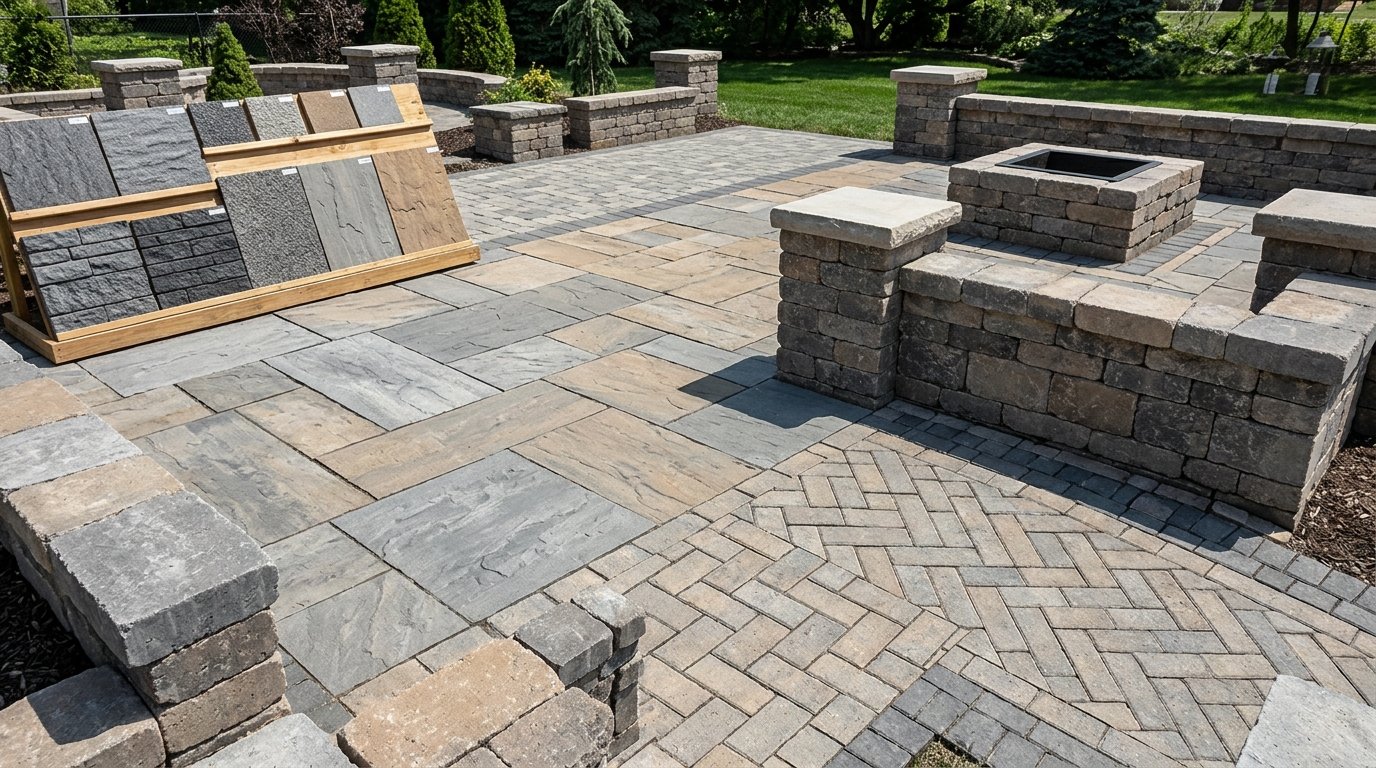
Based on their published catalog, Bkstone organizes its offering around three buckets: full marble and granite slabs, engineered stone (quartz-based composites), and smaller custom cuts for backsplashes, vanities, or repair patches. That structure isn’t unique to Bkstone — most regional stone suppliers split inventory the same way — but it does tell you something useful: this isn’t a single-material specialist. You’re choosing a category first, then a supplier.
That distinction trips people up constantly. A homeowner will call a stone yard asking for “granite” when what they actually want is durability, and granite is just the material that historically delivered it. Ask yourself what you’re really optimizing for — looks, cost, or how little maintenance you’ll do in year five — before you even open a catalog.
Natural Stone vs. Engineered Stone: The Real Difference
Before you decide between suppliers, you need to know what you’re actually buying, because “stone” covers a lot of ground.
Marble is quarried, cut, and polished from natural rock. It’s stunning, especially in warm light, and it’s the material designers reach for when they want a kitchen or bathroom to feel expensive. It’s also porous and soft compared to granite, which means it stains from red wine and etches from lemon juice if you’re not careful.
Granite is the workhorse. It’s harder, more heat-resistant, and more forgiving of daily kitchen abuse. My own kitchen has had granite counters for six years, and the only maintenance I’ve done is reseal it once a year with a $15 bottle of sealer.
Engineered stone (often marketed under names like quartz) is crushed natural stone bound with resin. It’s more uniform in pattern, generally more stain-resistant than marble, and doesn’t need sealing at all. The trade-off is that it can’t handle direct heat the way granite can, and cheaper versions sometimes look obviously synthetic up close.
Do you actually need natural stone, or would a well-made engineered slab do the job for less money and less maintenance? That’s worth sitting with before you start comparing suppliers.
Marble Through Bkstone: Where It Shines and Where It Doesn’t
Marble is still the material people fall in love with at first sight, and I get it — there’s a softness to the veining that quartz just can’t fake convincingly, no matter what the marketing photos claim. Bkstone’s marble offerings, like most suppliers’, skew toward bathroom vanities, accent walls, and low-traffic surfaces rather than daily-use kitchen counters.
That’s not a knock on the material. It’s chemistry. Marble is calcium carbonate, which means lemon juice, vinegar, or an unattended glass of wine can etch the surface within minutes. My contractor friend has a rule he repeats to every client: if you can’t commit to coasters and immediate wipe-downs, don’t put marble where food happens. Would you actually enforce a no-citrus-on-the-counter rule in your own kitchen? Be honest with yourself before you fall for the showroom lighting.
Granite: The Workhorse Nobody Gets Excited About
Granite doesn’t have marble’s romance, but it earns its keep. It’s harder, more scratch-resistant, and far more forgiving of acidic spills, which is exactly why it dominated kitchen counters for two decades before quartz caught up in popularity. Through Bkstone and comparable suppliers, granite typically shows up in kitchens, outdoor kitchens, and high-traffic commercial counters — anywhere abuse is guaranteed.
If marble is about beauty, granite is about survival. It still needs periodic sealing, usually once a year for a well-used kitchen, but that’s a fifteen-minute job with a sealant and a rag, not a service call. For a rental property or a family with three kids and a dog, granite is usually the more rational choice, even if it’s the less Instagrammable one.
Custom Cuts and Tile: When You Don’t Need a Full Slab
Not every project justifies a full slab, and this is where a lot of budgets get wasted unnecessarily. A small bathroom vanity, a fireplace surround, or a backsplash repair rarely needs 40 square feet of stone — it needs a precisely measured custom cut. Bkstone lists custom cutting as part of its service, which matters more than it sounds like it should, because remnant and off-cut pricing can run 30-50% cheaper than ordering a fresh full slab for a small job.
Stone tile is the other underrated option. It’s slower to install than a slab, since you’re setting individual pieces instead of one continuous surface, but it lets you mix materials — granite tile on the floor, a marble accent border — without the cost of full slabs in each. For anyone renovating on a strict budget, ask specifically about remnant and tile pricing before you assume slab is your only path.
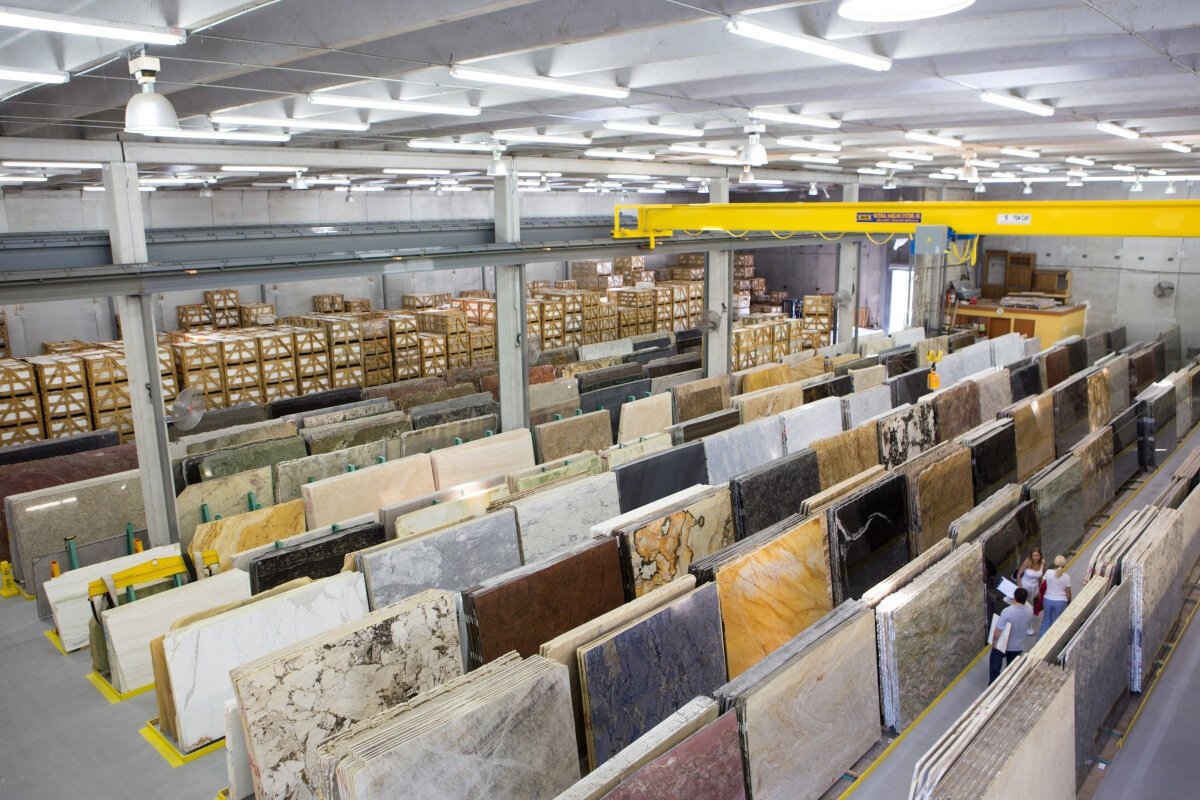
Marble vs. Granite vs. Engineered Stone: A Quick Comparison
| Feature | Marble | Granite | Engineered (Quartz) |
|---|---|---|---|
| Heat resistance | Moderate | High | Moderate (avoid direct hot pans) |
| Stain resistance | Low — porous, needs sealing | Good with annual sealing | Excellent, no sealing needed |
| Scratch resistance | Low to moderate | High | High |
| Best use case | Bathrooms, accent walls, low-traffic areas | Kitchens, outdoor counters | Kitchens, high-use commercial surfaces |
| Typical price range | Mid to high | Mid | Mid to high |
| Maintenance | Frequent, careful | Annual sealing | Minimal |
How to Vet Bkstone — Or Any Stone Supplier — Before You Buy
Every stone supplier’s website reads well. That’s the point of a website. What separates a good supplier from a risky one is what happens after you ask harder questions. Before you commit to Bkstone or a competitor, run through this list:
- Ask for a physical sample, not just a photo — slab color varies more than screens show
- Request the origin and lot number for natural stone, so you know slabs are from the same batch
- Confirm whether sealing, edge finishing, and delivery are included or billed separately
- Ask how they handle breakage or chips during transport and installation
- Get a written timeline, since custom stone often runs 3-6 weeks from order to install
- Check recent customer reviews outside the company’s own site — Google Business or a local contractor forum works better than testimonials on the homepage
That last point matters more than people think. A supplier’s own site is marketing copy by definition, mine included wouldn’t be any different if I ran one. Cross-check anything that sounds too smooth against a source the company doesn’t control.
A Real Example: What a Small Kitchen Remodel Actually Costs
My friend’s most recent job was a 240-square-foot kitchen using leftover granite remnants for the island and a full slab for the main run. The remnant piece for the island cost about $340 installed, compared to an estimated $900 if they’d ordered fresh slab for a section that small. The main counter ran roughly $58 per square foot installed, landing the whole project just under $4,200 including sealing and edge work.
That’s not a Bkstone-specific quote — regional pricing varies by 20% or more depending on your market — but it’s a realistic range to hold any estimate against. If a quote comes in dramatically below that per-square-foot figure, ask what’s being cut: often it’s slab thickness, edge finishing, or installation labor.
Living With Stone: What Nobody Tells You at the Showroom
The showroom visit is the fun part. The next ten years are where a stone choice actually gets tested, and this is the section most supplier pages, Bkstone’s included, gloss over in favor of glossy slab photography.
Sealing is the maintenance task people skip most often, and it’s the one that matters most for natural stone. A sealant fills the microscopic pores in marble and granite so liquids sit on top of the surface instead of soaking in. Skip it for a couple of years and you’ll start seeing faint water rings or oil stains that no amount of scrubbing removes, because the stain isn’t on the surface anymore — it’s inside it. A simple water-bead test tells you where you stand: splash a few drops on the counter, and if they bead up rather than darkening the stone within a minute or two, the seal is still doing its job.
Cleaning products matter more than most homeowners assume. Standard grocery-store cleaners with citrus or vinegar bases are fine on tile floors but genuinely harmful to marble and, over time, to granite’s sealant layer. A pH-neutral stone cleaner costs about the same as a name-brand all-purpose spray and avoids slowly etching a surface you paid several thousand dollars for. I switched after watching a friend’s marble island develop a dull ring from a “natural” citrus cleaner used daily for eight months.
Temperature is the other quiet risk. Granite handles direct heat reasonably well, but marble and especially engineered quartz can develop hairline cracks or discoloration from a hot pan set straight from the stove. It sounds obvious in writing, but in a busy kitchen, that trivet habit is the first thing to slip. Set the rule before the counter goes in, not after the first scorch mark shows up.
Finally, budget for touch-up work the way you’d budget for any home surface. Chips at the edge, especially around a sink cutout, are common enough that most fabricators can do a color-matched epoxy repair for under $150. Ask Bkstone, or whichever supplier you choose, whether they offer this service directly or can refer someone locally — it’s a much smaller ask than most people realize, and knowing the answer before installation saves a scramble later.
Frequently Asked Questions
Is Bkstone a manufacturer or a supplier?
Bkstone functions as a stone solutions platform connecting buyers with natural and engineered stone products, similar to how most regional stone yards operate — sourcing slabs rather than quarrying them directly.
What’s the difference between natural stone and engineered stone?
Natural stone is quarried and cut directly from the earth, so each piece is unique. Engineered stone is manufactured from crushed quartz and resin, giving it a more consistent pattern and higher resistance to staining.
Is granite or marble better for a kitchen counter?
Granite generally holds up better in kitchens because it resists acidic spills and scratching more effectively. Marble is better suited to lower-traffic surfaces like bathroom vanities or accent walls.
Does engineered stone need to be sealed?
No. Most quartz-based engineered stone is non-porous straight out of the factory, which is a big part of its appeal for busy kitchens.
How much does a custom stone cut cost compared to a full slab?
Custom cuts using remnants can run 30-50% cheaper than ordering a full fresh slab, especially for small projects like vanities or backsplash repairs.
How long does a stone installation usually take?
Expect roughly 3-6 weeks from order to installation for custom or natural stone, depending on fabrication schedules and delivery lead times.
Can I install stone tile myself?
Smaller stone tile projects are more DIY-friendly than slab installation, but stone is heavy and unforgiving of uneven cuts, so most homeowners still hire a professional for anything load-bearing or water-adjacent.
How often does granite need to be resealed?
Once a year is standard for a kitchen in regular use. Lower-traffic surfaces can sometimes stretch to every 18-24 months.
What should I ask a supplier like Bkstone before ordering?
Ask for physical samples, the stone’s origin and lot number, whether sealing and delivery are included, and their policy on breakage during transport.
Conclusion
Bkstone, like any stone supplier, is only as good as the specific slab, sample, and paperwork you get in front of you before signing. Don’t take a catalog photo’s word for it — ask for a physical sample and the lot number before you order, and match the material to how the room actually gets used, not how it looks in a showroom.