
BKSTONE: Stone Solutions Built for Modern Spaces
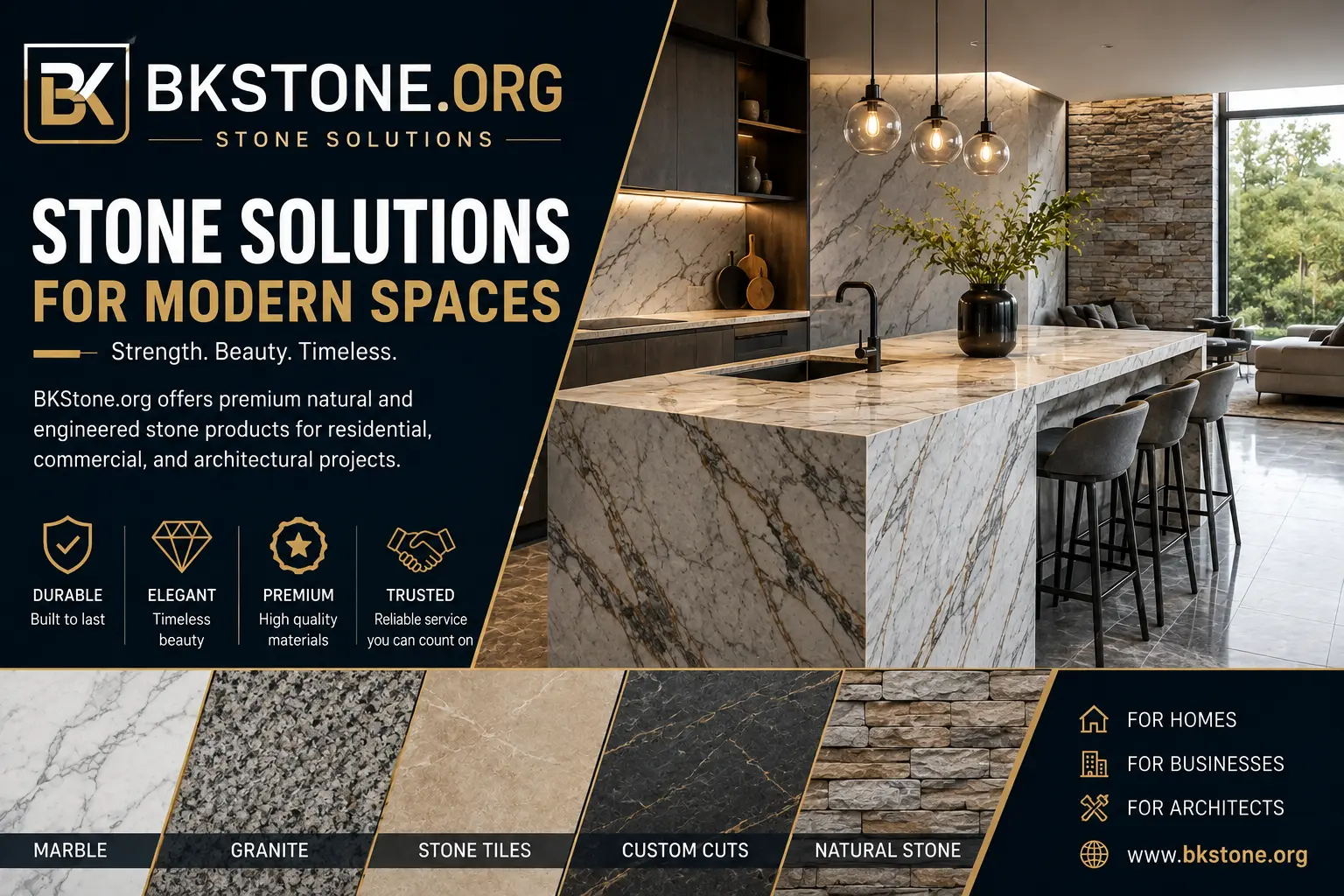
Stone has a way of changing a space without trying too hard.
A well-chosen surface can make a kitchen feel more refined, give a bathroom a cleaner finish, add character to an entrance, or turn an otherwise simple wall into the part of a room everyone notices. That’s probably why stone has never really gone out of style.
BKSTONE is built around that idea — bringing stone solutions together for people who care about how a space looks, how it performs, and how it holds up over time.
Whether you’re working on a home renovation, planning a commercial interior, or managing a larger construction project, choosing stone isn’t only about picking a colour from a catalogue. There are finishes to consider, applications, maintenance, durability, installation, and, of course, the overall look you’re trying to achieve.
So, what exactly is BKSTONE, what can it be used for, and what should you know before choosing a stone solution?
Let’s take a closer look.
What Is BKSTONE?
BKSTONE is a stone-focused brand and resource for exploring stone solutions suited to modern residential, commercial, and architectural spaces.
The idea is fairly simple: stone should look good, but it also needs to make sense for the space where it’s being used.
A kitchen countertop has different requirements from a decorative wall. An outdoor surface has to deal with weather. A busy commercial floor may need to handle considerably more traffic than a bathroom vanity.
And that’s where the right material makes a difference.
Stone comes in an enormous range of colours, textures, patterns, finishes, and performance characteristics. Choosing well means looking at the whole project rather than falling in love with a particular slab and figuring out the practical side later.
Why Stone Continues to Be a Popular Choice
There’s a reason stone keeps showing up in both classic and contemporary design.
It has character.
Natural variations in colour, grain, veining, and texture give stone a look that doesn’t always feel manufactured. Marble can bring a softer, more luxurious appearance, while granite can create a stronger and more substantial feel.
Stone is also valued for its durability when the appropriate material is selected for the application and installed correctly.
But appearance is only part of the story.
A good stone choice should fit the way a space is actually going to be used. A beautiful surface that isn’t suitable for its environment can become a headache later.
With BKSTONE, the better approach is to think about both sides of the decision — the visual side and the practical one.
BKSTONE Stone Solutions
Different projects call for different materials. There isn’t one stone that is perfect for everything, and honestly, that’s part of what makes choosing stone interesting.
Marble
Marble has a distinctive place in interior design.
Its natural veining and variation can give rooms a polished, high-end appearance without requiring a complicated design. It can work particularly well in areas where visual impact is important.
Common applications include:
- Bathroom walls and vanities
- Flooring
- Feature walls
- Staircases
- Interior cladding
- Decorative surfaces
Marble does require sensible care, particularly in areas exposed to staining or acidic substances. Sealing and proper cleaning can help protect the surface.
Granite
Granite is often chosen when durability is high on the priority list.
It has a naturally strong appearance and is commonly used for surfaces that experience regular use. Kitchens are one obvious example, but granite can also work well in commercial and outdoor applications depending on the particular material.
It may be suitable for:
- Kitchen countertops
- Work surfaces
- Flooring
- Outdoor areas
- Commercial interiors
- High-use surfaces
The exact performance still depends on the stone selected and how it is installed and maintained.
Stone Tiles
Large slabs aren’t always necessary.
Stone tiles can offer more flexibility for certain projects and may be suitable for floors, walls, bathrooms, entrances, patios, and other areas.
Tile size, thickness, texture, finish, and installation method all affect the final result.
And sometimes a smaller format is actually the better design choice.
Custom Stone Cutting
Every project isn’t built around standard measurements.
Custom cutting can be useful when a project involves unusual dimensions, specific edges, patterns, corners, or architectural details. It can also help reduce the need to compromise on a design simply because a standard size doesn’t fit.
For larger projects especially, accurate measurements before cutting are essential.
A few millimetres can matter more than you’d expect.
Where Can BKSTONE Be Used?
One of the advantages of stone is its versatility.
BKSTONE solutions can be considered across a range of spaces, provided the selected material is appropriate for the intended environment.
Kitchens
Kitchens are one of the most demanding areas in a home. Surfaces may come into contact with food, water, heat, cleaning products, and everyday wear.
The right stone can combine a strong visual presence with practical performance.
Granite, marble, and other stone surfaces can each create a very different kitchen style.
Bathrooms
Bathrooms benefit from materials that create a clean, cohesive appearance.
Stone can be used for walls, flooring, vanities, shower areas, and decorative features. However, moisture exposure means material selection and installation need to be handled carefully.
Living Spaces
A stone feature wall, fireplace surround, flooring detail, or architectural element can add texture without making a room feel over-designed.
You don’t have to use stone everywhere.
Sometimes one well-placed feature does the job.
Commercial Spaces
Offices, hotels, restaurants, retail stores, reception areas, and other commercial environments can use stone to create a more distinctive setting.
Here, durability and maintenance become particularly important because the surface may experience much heavier use than a typical home.
Outdoor Areas
Stone can also work in outdoor settings, including patios, walkways, walls, entrances, landscaping features, and other exterior applications.
The important part is choosing a material and finish that can handle the conditions of the location.
How to Choose the Right Stone
This is probably the part people should spend more time on.
Before choosing a stone for a project, ask a few basic questions.
Where will it be installed?
Indoor and outdoor applications have different requirements.
How much use will it receive?
A family kitchen and a decorative guest bathroom don’t necessarily need the same type of surface.
Will it be exposed to moisture?
Bathrooms, kitchens, outdoor spaces, and other wet areas require careful material selection.
What finish do you want?
Polished, honed, matte, textured, and other finishes can create very different appearances.
How much maintenance are you comfortable with?
Some surfaces need more care than others. If low maintenance is important, make that part of the decision from the beginning.
Does it fit the rest of the space?
A beautiful stone can still look out of place if its colour, pattern, or texture clashes with the surrounding design.
These questions might sound basic, but they prevent a lot of unnecessary mistakes.
Marble vs Granite: Which One Should You Choose?
This is one of the most common questions when comparing stone options.
The answer isn’t simply that one is better.
Marble is often selected for its appearance, especially its distinctive veining and elegant character. It can be a fantastic choice for feature areas and interiors where visual appeal is a major consideration.
Granite, on the other hand, is commonly preferred where durability and resistance are particularly important.
Think about the purpose first.
If you’re designing a statement bathroom or feature wall, marble may be worth considering.
If you’re selecting a heavily used kitchen surface, granite may be the more practical direction.
Of course, the characteristics of individual stones vary, so the specific material should always be evaluated rather than relying only on the name.
What to Look for Before Buying Stone
A photograph doesn’t tell you everything.
Before purchasing stone, pay attention to the actual material and the specifications behind it.
Look at:
- Surface quality
- Thickness
- Colour and natural variation
- Veining or pattern
- Cracks or visible defects
- Edge finishing
- Surface finish
- Intended application
- Maintenance requirements
- Installation requirements
Natural stone naturally contains variation. That’s not necessarily a defect — in many cases, it’s part of the appeal.
But significant damage, unsuitable thickness, or poor finishing can create problems during installation.
With BKSTONE, the goal should be to select a material that works for the project rather than choosing purely on appearance.
BKSTONE for Residential Projects
A home is personal.
People don’t usually want their kitchen, bathroom, or living space to look exactly like everyone else’s. Stone offers a way to introduce individuality without relying on overly complicated decoration.
A marble feature can add elegance to a bathroom. Granite can give a kitchen a strong, practical surface. A textured stone wall can bring warmth and depth to a living area.
The best residential designs usually don’t try too hard.
A few good materials, used thoughtfully, can be enough.
BKSTONE for Commercial and Architectural Projects
Commercial projects come with another set of priorities.
There may be deadlines, higher traffic, larger quantities, cleaning requirements, design guidelines, and installation coordination to consider.
Architects and designers may also need consistency across multiple areas while still retaining the natural character of the material.
For these projects, stone selection should happen early enough that material availability, measurements, fabrication, finishing, and installation can all be coordinated properly.
That’s especially important for larger developments.
A great design on paper still needs a realistic installation plan.
Stone Maintenance: What Actually Matters
Stone doesn’t need to be difficult to maintain, but it shouldn’t simply be ignored either.
The correct maintenance routine depends on the type of stone and its finish.
Regular cleaning helps prevent dirt and buildup from affecting the appearance of the surface. Some materials may also benefit from sealing, particularly where staining or moisture is a concern.
A few simple habits can help:
- Use suitable cleaning products
- Avoid harsh chemicals unless specifically recommended
- Clean spills promptly
- Follow the manufacturer’s care guidance
- Reseal surfaces when required
- Don’t use abrasive methods on unsuitable finishes
And remember — maintenance starts with choosing the right material.
A surface that’s appropriate for the environment will generally be easier to live with than one selected purely because it looked good in a showroom.
Why Installation Matters
Even excellent stone can look disappointing when installation is poorly handled.
Measurements need to be accurate. Surfaces need proper preparation. Cuts and edges should be handled carefully. Joints need to be planned, and the correct installation materials should be used.
This becomes even more important when working with large slabs or complicated layouts.
For BKSTONE projects, installation should be treated as part of the overall result, not an afterthought.
The stone is only one part of the finished surface.
The workmanship around it matters too.
A More Practical Way to Think About Stone
Choosing stone doesn’t need to become complicated.
Start with the space.
Then think about how the space is used.
After that, consider the appearance you want, the amount of maintenance you’re comfortable with, and the expected lifespan of the installation.
Only then should you narrow down the material.
That approach can save time and money because you’re making the decision around your actual requirements rather than starting with a random colour or pattern.
And if you’re comparing several options, don’t be afraid to ask questions. A good stone decision should be based on information, not guesswork.
Frequently Asked Questions About BKSTONE
What is BKSTONE?
BKSTONE is a stone-focused brand and resource covering stone solutions and their use across residential, commercial, and architectural spaces.
What types of stone can be used for interior projects?
Marble, granite, and various other stone materials can be used indoors depending on the application. The right choice depends on factors such as moisture, traffic, maintenance, and desired appearance.
Is marble suitable for kitchens?
Marble can be used in kitchens, but it requires appropriate care because some marble surfaces can be more susceptible to staining and etching. Proper selection and maintenance are important.
Is granite a good option for high-use areas?
Granite is commonly chosen for high-use surfaces because of its strength and durability. The characteristics of the particular granite should still be checked before installation.
Can stone be customized?
Many stone projects can involve custom cutting, edge profiles, sizing, and finishing. The available options depend on the material and project requirements.
How long does stone last?
A properly selected and installed stone surface can last for many years. Its lifespan depends on the material, location, installation quality, exposure, and maintenance.
Final Thoughts
Good stone doesn’t need to shout.
The right surface can quietly change the character of an entire room — adding texture, depth, warmth, or a sense of permanence without overwhelming the design.
That’s the thinking behind BKSTONE.
Whether you’re looking at a kitchen countertop, a bathroom renovation, a feature wall, a commercial interior, or a larger architectural project, the important thing is to choose stone based on the space, the intended use, and the result you want.
Looks matter, of course.
But so do durability, maintenance, installation, and long-term value.
Take the time to compare your options, understand the material, and ask the right questions before making the final choice. Because when stone is selected well, it doesn’t just become another part of the building.
It becomes part of the space itself.